
 Facebook
 X
X
 Pinterest
 Copy Link
Thinking About Selling? Avoid These 7 Common Mistakes

Introduction
Selling your home is a significant decision—both financially and personally. It’s not uncommon for sellers to feel a mix of excitement and uncertainty as they begin the process.
Here in Lapeer County, Genesee County, and the surrounding areas, I’ve found that the market can shift depending on timing, inventory, and buyer demand. That’s why having a clear plan from the beginning matters.
The good news is that most of the common mistakes I see are completely avoidable with the right guidance and a thoughtful approach.
Here are seven mistakes to be aware of—and how to avoid them.
1. Overpricing the Home
It’s completely understandable to want to aim high. After all, your home represents years of memories and investment.
At the same time, pricing too aggressively can actually work against you—especially in markets like Lapeer County and Genesee County, where buyers tend to be well-informed and sensitive to value.
Homes that sit on the market too long often raise concerns and can end up selling for less than they would have with the right price from the start.
I’ve worked with sellers who initially wanted to price higher, but after walking through the current market data together—what’s selling locally, how long homes are taking to sell, and how buyers are responding—they chose a more realistic, competitive price. In the end, it worked out much better for them than starting too high.
What to do instead:
Base your pricing on current local market conditions and a clear strategy, not just hope or online estimates.
2. Neglecting First Impressions
Buyers often form an opinion within seconds—sometimes before they even step inside.
In many Lapeer and Genesee County neighborhoods, curb appeal plays a big role since buyers are often looking for homes with space, privacy, and a well-maintained feel.
Things like overgrown landscaping, clutter, or even a strong odor can quickly turn buyers away.
What to do instead:
Focus on simple improvements: clean, declutter, and make your home feel welcoming. The goal is to help buyers picture themselves living there.
3. Skipping Necessary Repairs
Small issues can leave a bigger impression than you might expect. A dripping faucet, chipped paint, or loose hardware can cause buyers to wonder what else hasn’t been maintained.
In our local market, many buyers across Lapeer County, Genesee County, and nearby communities are looking for homes that feel move-in ready, even if they plan to make updates later.
What to do instead:
Take care of the small things ahead of time. It communicates that your home has been well cared for and can help prevent tougher negotiations later.
4. Limiting Showings
Keeping your home ready for showings isn’t always convenient, especially with a busy schedule.
However, limiting access can reduce the number of buyers who are able to see your home—especially in a market like ours where serious buyers are actively watching for new listings and ready to move quickly.
What to do instead:
Be as flexible as you reasonably can, particularly in those first couple of weeks when your home first hits the market.
5. Letting Emotions Drive Decisions
Selling a home is personal. Buyers, on the other hand, are usually approaching things from a more practical standpoint.
It’s easy to feel discouraged by feedback or frustrated during negotiations, but those moments are part of the process.
What to do instead:
Stay focused on your larger goals and lean on steady, objective guidance when decisions need to be made.
6. Choosing the Wrong Agent
Not every agent approaches the process the same way. Beyond simply listing your home, the right agent helps you navigate pricing, preparation, marketing, and negotiation with clarity.
Working with someone who understands the Lapeer County and Genesee County markets—including pricing trends, buyer behavior, and local nuances—can make a meaningful difference.
What to do instead:
Look for someone who communicates clearly, understands your local market, and takes the time to walk with you through each step.
7. Not Having a Clear Plan
Selling your home is closely tied to what comes next. Without a clear plan, it’s easy to feel rushed or uncertain when decisions come up.
This is especially important in our area, where timing the sale and your next move often requires some coordination.
What to do instead:
Take some time upfront to think through your timeline, your next move, and what matters most to you in the process.
Conclusion
Every home sale is unique, and that’s especially true across Lapeer County, Genesee County, and the surrounding areas, where no two properties—or situations—are exactly alike.
Having a clear plan and the right guidance can make a meaningful difference from start to finish.
If you’re thinking about selling and would like a steady, step-by-step approach, I’d be glad to come alongside you. I can also provide a Seller’s Guide to help you prepare and move forward with confidence.
Top Things to Do in Lapeer, MI

Local Favorites, Outdoor Fun, and Community Traditions
Lapeer, MI is known for its small-town charm, welcoming spirit, and easy access to outdoor recreation and community events. Located in the heart of Lapeer County, this Mid-Michigan community offers a quality of life that appeals to families, retirees, and those looking for a slower, more connected pace of living. Whether you’re visiting for the first time or considering a move to the area, here are some of the most popular things to do in Lapeer, Michigan.
Explore Downtown Lapeer

Outdoor Activities in Lapeer, MI at Lake Nepessing
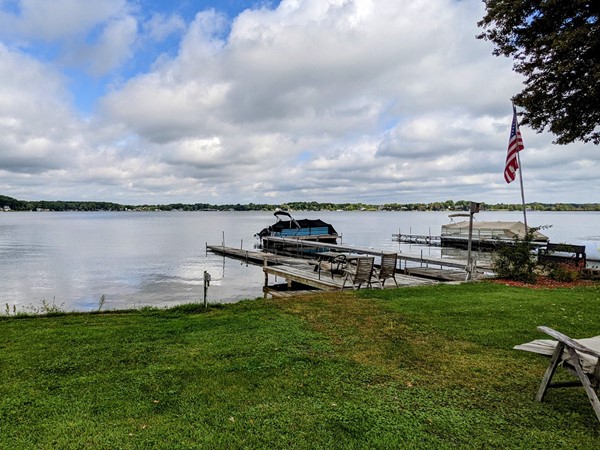
Lake Nepessing is one of the most popular outdoor destinations in Lapeer County. During the warmer months, residents enjoy boating, kayaking, fishing, and relaxing by the water. The lake’s natural beauty and peaceful surroundings make it a favorite spot for families and anyone who values time outdoors without traveling far from home.
Parks and Green Space: Crampton Park and Rowden Park

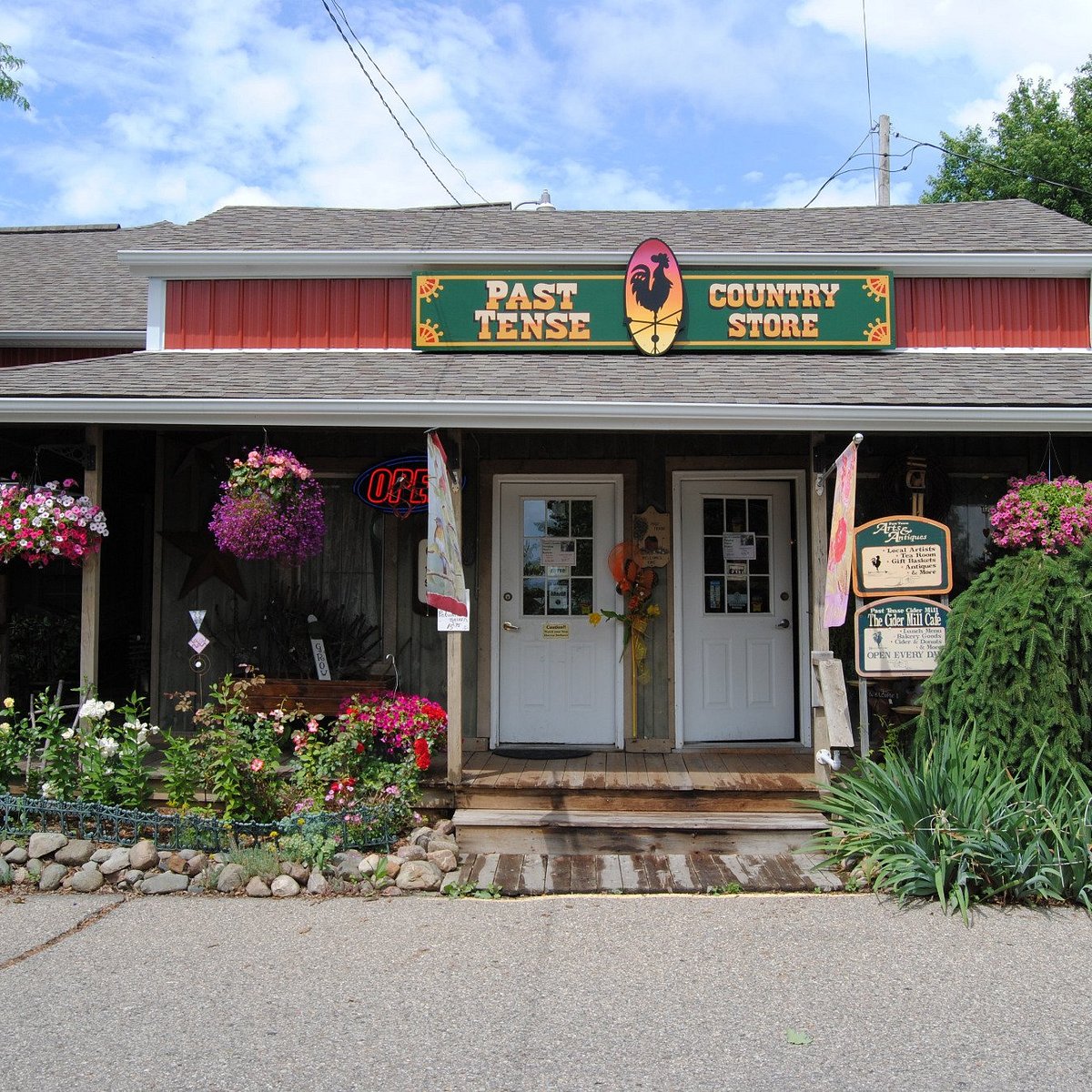
Experience Local History at Past Tense
Golf and Family Fun Near Lapeer

Golfers appreciate having quality options close to home. Lapeer Country Club offers a classic course layout and a welcoming atmosphere for golfers of all experience levels.

For something more casual and family-friendly, Lake Nepessing Golfland is a longtime local favorite. Mini golf, range activities, and ice cream make it a popular summer stop for families, kids, and visitors alike.
Annual Community Events in Lapeer, MI

Things to Do Near Lapeer, Michigan
Lapeer’s location makes it a convenient home base for exploring nearby communities throughout Lapeer County and surrounding areas such as Metamora, Davison, and North Branch. Scenic drives, golf courses, outdoor recreation, and small-town festivals are all within a short drive, offering variety while still enjoying the comfort of a close-knit community.
Why So Many People Choose to Live in Lapeer, MI
What draws people to Lapeer is more than just amenities—it’s the sense of community. Access to parks, lakes, local events, and historic spaces is paired with a genuine spirit of care for one another. It’s a place where neighbors know each other and where people feel supported through different seasons of life.
If you’re considering a move to Lapeer or simply want to learn more about the area, I’m always glad to be a local resource—happy to share insight, answer questions, and help you explore whether Lapeer is the right fit for your next chapter.
2026 Housing Outlook: A Market Finding Its Balance

As we move through 2026, many homeowners and buyers are asking an important question: What kind of housing market are we really in right now? After several years of rapid change, rising mortgage rates, and limited inventory, the answer is becoming clearer. The housing market isn’t stalled—but it is stabilizing.
According to forecasts from Realtor.com and other leading housing economists, 2026 is shaping up to be a year defined less by extremes and more by balance. Instead of sharp price swings or frantic competition, today’s market rewards preparation, patience, and informed decision-making.
2026 Mortgage Rates and Housing Affordability
Mortgage rates for 30-year fixed loans are expected to settle around the 6% range in 2026. While that’s higher than the historically low rates of past years, it represents modest improvement from recent peaks and, just as importantly, greater stability.
More predictable rates make it easier for buyers to plan and for sellers to evaluate timing. Affordability is also improving gradually. Slightly lower monthly payments, combined with rising household incomes, are helping reduce the share of income needed for housing. Progress may feel slow, but the overall trend is moving in a healthier direction.
Home Price Trends in 2026: Slower Growth, Greater Stability
Home prices in 2026 are expected to rise modestly, generally in the low single digits. Because this pace is slower than inflation, prices are effectively softening in real terms.
For buyers, this means less pressure to rush and more opportunity to make thoughtful decisions. For homeowners, it still supports long-term value without the volatility seen in recent years. This type of price stability is a hallmark of a more balanced and sustainable housing market.
Home Sales and Inventory: More Choices, Less Pressure
Home sales are projected to increase modestly from recent lows, as buyers and sellers continue adjusting to current conditions. At the same time, housing inventory has improved for a third straight year, bringing more homes to market.
More inventory means:
-
More choice for buyers
-
Fewer bidding wars
-
More balanced negotiations
Rather than favoring one side heavily, the 2026 housing market is gradually settling into a middle ground where well-informed decisions matter more than speed alone.
What the 2026 Housing Market Means for Buyers
For buyers, today’s market rewards preparation. With increased inventory and steadier pricing, there’s more room to focus on long-term fit—budget, lifestyle, location, and future plans—rather than acting out of urgency.
Understanding local market conditions, financing options, and timing can make a meaningful difference, especially as conditions vary from one community to the next.
What the 2026 Housing Market Means for Sellers
For sellers, the market has shifted away from the highly competitive seller-driven conditions of recent years. Pricing accuracy, home preparation, and responsiveness to market feedback are more important than ever.
Homes that are well-prepared and priced appropriately continue to sell, particularly when expectations align with current market realities.
Bottom Line: A Balanced Housing Market in 2026
Rather than boom or bust, 2026 is shaping up to be a year defined by balance. With slower price growth, improving affordability, and more homes available, both buyers and sellers have real opportunities—especially when decisions are made thoughtfully and with good guidance.
If you’re considering a move and wondering what makes sense in today’s market, I’d be glad to help you think through next steps. Whether you’re just beginning to explore your options or trying to decide on timing and direction, my goal is to provide clear information and steady guidance so you can move forward with confidence.
Why Working With a Real Estate Professional Makes a Difference

Real estate decisions are rarely just about property. They involve finances, timing, emotions, and long-term goals. Having a knowledgeable real estate professional alongside you can bring clarity and stability to what is often a complex process.
Clear Guidance in a Complex Process
Buying or selling a home includes far more than searching online or placing a sign in the yard. Contracts, disclosures, inspections, financing, and deadlines all require careful attention. A real estate professional helps explain each step, anticipate challenges, and keep the process moving forward smoothly.
Representation That Protects Your Interests
When you work with a real estate agent under an agency relationship, you gain an advocate whose responsibility is to represent your best interests. That includes providing honest advice, protecting confidential information, and helping you evaluate options objectively rather than emotionally.
Local Market Knowledge You Can Trust
Online data can be helpful, but it often lacks context. A local real estate professional understands neighborhood trends, pricing dynamics, and buyer behavior in ways that national websites cannot. This insight helps buyers avoid overpaying and helps sellers position their homes more effectively.
Skilled Negotiation and Problem-Solving
Negotiation is about more than price. Terms, timelines, inspections, and contingencies all affect the outcome of a transaction. An experienced agent helps navigate these details, address issues as they arise, and work toward solutions that keep everyone moving toward closing.
Peace of Mind From Start to Finish
Perhaps the greatest benefit of working with a real estate professional is peace of mind. Knowing that details are being managed, questions are being answered, and decisions are being guided by experience allows you to focus on what matters most—making the right move for your situation.
A Steady Guide When It Matters Most
Ultimately, a real estate professional’s role is not just transactional. It’s about guidance, stewardship, and helping clients make informed decisions with confidence. Whether you’re buying your first home, selling a longtime property, or planning your next chapter, having a trusted professional by your side can make all the difference.


